Hello my dear Paella Lover friends!
Paella Mallorquina is Mallorca’s delicious twist on the classic Spanish dish originated in Valencia, and today we’re taking a tasty journey to explore it. Mallorca is famous not only for its stunning beaches but also for unique culinary traditions, and paella Mallorquina truly captures the essence of this beautiful Mediterranean island. Trust me—it’s worth the trip, even if it’s just from your kitchen!

What is Paella Mallorquina?
Let’s start from the beginning: paella valenciana is the mother of all paellas and is where everything started. And if you’ve followed me for a while, you’ll know that while my heart belongs to traditional Valencian paella, I adore exploring regional variations, not only within Valencia, but as well all throughout Spain. Mallorca, with its unique culture and vibrant local ingredients, puts its own delightful spin on paella.
Paella Mallorquina takes the essence of paella—aromatic rice, fresh ingredients, and slow, careful cooking—and blends it with distinctly Mallorcan touches. Imagine the traditional paella foundation elevated by local ingredients like fresh seafood, seasonal vegetables, and the island’s famous sobrasada sausage.
What Makes Paella Mallorquina Unique?
Every region has its pride and joy when it comes to food. In Mallorca, it’s their sobrasada—a soft, cured sausage seasoned beautifully with paprika. This vibrant ingredient infuses the rice with a rich, smoky sweetness that perfectly complements the seafood.
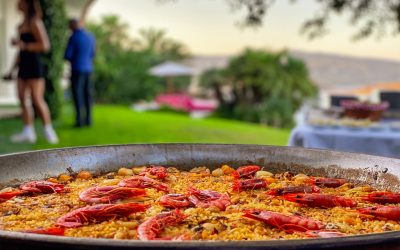
But that’s not all. Unlike other paella variants that stick strictly to seafood or land-based proteins, Mallorcan paella confidently blends the two. Chicken and pork, seafood, and sobrasada come together in harmony, providing layers of flavour you won’t soon forget.
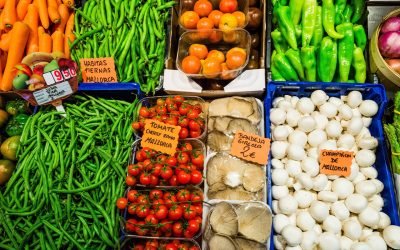
Additionally, paella Mallorquina often features local produce that reflects the island’s rich agricultural heritage. Vegetables like fresh artichokes, sweet peppers, and ripe tomatoes give the dish a seasonal freshness, capturing the true taste of Mallorca.
A few years back, I had the fantastic opportunity to discuss the differences between Valencian paella and Mallorquin paella on local Mallorcan television, IB3. While we didn’t feature sobrasada on the show, it was a great conversation highlighting how unique each regional paella is. If you’re curious to see how these regional variations were discussed, feel free to watch the segment below:
Key Ingredients: The Magic of Mallorca

● Sobrasada: This star ingredient brings warmth, depth, and vibrant colour to the dish.
● Seafood: Often mussels, prawns, squid, and occasionally fish—caught fresh and bursting with flavour.
● Chicken or Pork: Typically included for extra depth.
● Vegetables: Fresh red peppers, peas, tomatoes, and local Mallorcan artichokes, providing a colourful balance.
● Rice: The staple rice for all paella lovers, absorbing flavours while maintaining that perfect bite.
The History Behind Paella Mallorquina
Understanding Paella Mallorquina requires a dive into Mallorca’s rich culinary history. Like many island dishes, it evolved out of necessity, resourcefulness, and creativity. Paella itself is originally a farmer’s dish—simple, hearty, and intended to feed many mouths. Over centuries, each region in Spain has adapted paella according to available ingredients.
Mallorca’s unique geography and historical influences have shaped its cuisine remarkably. Being an island meant seafood was abundant, influencing local dishes significantly. Yet, Mallorca also boasts fertile farmland and mountains ideal for livestock and crops, resulting in a diet rich in both seafood and meats.
Sobrasada itself tells the story of preservation, a crucial practice before refrigeration. This cured sausage, a staple across Mallorca, was the perfect addition to paella as it brought lasting flavour and richness to the rice dish, making it especially beloved among locals.
Cultural Significance and Social Rituals

Food in Mallorca, much like in the rest of Spain, is deeply tied to social life and culture. Meals aren’t just for nourishment; they’re communal experiences that bring families and communities together.
Paella Mallorquina plays a significant role during local community celebrations, festivals, and family gatherings. Cooking and enjoying paella is an event in itself—often involving multiple family members or friends gathering around a large pan outdoors, everyone contributing in their own way.
There’s an unspoken rule: whoever cooks the paella does not do the dishes! This communal spirit and jovial camaraderie around preparing and sharing paella are integral to Mallorcan celebrations.
Comparing Paella Mallorquina to Valencian Paella

One of the fascinating aspects of paella is observing how it varies across regions. Valencian paella, my personal starting point, remains very traditional and ingredient-specific with these 10 ingredients: rabbit, chicken, green broad beans, tomatoes, white flat beans (garrofó), olive oil, water, saffron, rice, salt. And I add some other ingredients from my family’s recipe: artichokes, garlic, red dried ground sweet smoky pepper, rosemary and snails.
Mallorcan paella, however, represents the island’s culinary flexibility. It embraces the availability of local seafood and vegetables, supplemented by the robust flavour of sobrasada. The blend of land and sea ingredients distinguishes it distinctly from the Valencian classic.
Both types of paella celebrate fresh, local ingredients, and both rely heavily on bomba rice to absorb and showcase flavour. Yet the subtle differences highlight how local culture, geography, and historical influences shape regional cuisine uniquely.
Exploring regional paellas is a journey in itself—much like my first experience cooking Traditional Authentic Valencian Paella and it’s always fascinating to see how each area makes paella their own.
Serving Paella Mallorquina the Mallorcan Way
Serving paella is a ceremony in itself. Likewise in Valencia, place the pan right in the centre of your table and let everyone serve themselves directly. Don’t forget fresh lemon wedges, crusty Mallorcan bread, white pepper stripes and a chilled glass of local wine.
Mallorcan tradition often pairs paella with crisp white wine or rosé from local vineyards. The slight acidity and freshness of the wine complement the rich, hearty flavours of the dish perfectly. To round off the meal beautifully, consider a Mallorcan almond cake, ensaimada or a refreshing citrus sorbet.
For tips on how to care for your paella pans after such delightful feasts, check out my detailed guide on cleaning and maintaining paellas.
Until next time,
HAPPY PAELLA!!
— Guillermo Bermell