For expats in Mallorca, the Sunday paella ritual is one of the island’s great gifts, and one that takes most people a year or two of living here to actually claim. The novelty of the move settles, the routines take shape, and somewhere in that process you realise what has been missing from your week.
I know this feeling from the other direction. I grew up in Valencia, where Sunday paella was as fixed as anything else in the week. When I moved to Germany at 22 to finish my business degree and then spent years in Frankfurt at a bank, I made paella for friends every weekend I could. Not as a performance of being Spanish abroad. Because it was the one thing that made a Saturday feel like something more than time passing.
I have been cooking paella in Mallorca for over 21 years, and I have watched something shift among the people who live here permanently. More and more, they are coming back to paella. Not as tourists. As residents. As people who have decided this ritual belongs in their week, all year round.
Mallorca has one of Spain’s largest expat communities

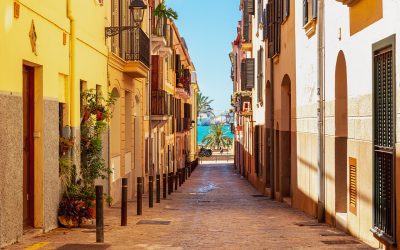
Palma is one of the most international cities in Spain. Close to a third of the city’s population was born abroad, with the largest communities coming from Germany, the United Kingdom, Argentina and across Scandinavia. These are people who have chosen Mallorca not as a holiday but as home.
And when you choose somewhere as home, your relationship with its food changes entirely.
A tourist eats paella once, maybe twice, at a beachside restaurant. It is delicious, it is memorable, and then they go back to their regular life somewhere else. But when you are living in Mallorca permanently, paella becomes available to you in the way it is available to Mallorcan families: not as a special occasion, but as a weekly anchor. The question is just whether you take it.
What Sunday paella in Mallorca actually means
In Valencia, Mallorca in our case, and across Spain more broadly, Sunday paella is not really about the food. Or rather, it is about the food in the way that a Sunday roast is about the food in Britain. One expat writer who married into a Valencian family described it well: after years of living in Spain, Sunday paella had become part of who she was. Not a restaurant booking. Not a special occasion. Just the rhythm of the week. A very close friend of mine told me once: “last week I told my wife I was missing something, like something was wrong. Then she said, they didn’t have paella on Sunday. To which he replied that this was what he was missing”.
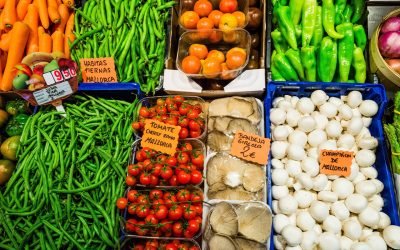
It is about the pace of the morning before it. The market visit, the ingredients chosen with care, the fire started without rushing. It is about the people gathered around the pan while it cooks. Neighbours, friends, whoever turns up. It is about the conversation that happens during the hour it takes for the rice to be ready, and the longer conversation that happens after.
For expats who come from cultures where weekends are often filled with errands, plans, productivity, this slowness can feel almost radical. It takes a little getting used to. And then, once you have had it, it is very hard to go back to a weekend without it.

A Valencian chef’s perspective: 21 years cooking paella in Mallorca
When I moved to Mallorca in 2005, I came as a finance professional. I spent thirteen years as Financial Director for five-star hotels on the island, spending as much time as I could in their kitchens learning from the chefs alongside the day job. But through all of it, my attachment to traditional Valencian paella only grew stronger. Every weekend I could manage, I would have friends over and cook. It was the way I stayed connected to who I was.
In 2018 I left the hotels and turned paella into the full-time work it had always been in spirit. What I found was that the expat community in Mallorca was hungry for exactly this. Not a restaurant experience. Not a tourist activity. A proper paella, made with knowledge and care, that they could build their own Sunday around; and love! You can read more about my story on the about page.

Why paella works so well for expat life
There are plenty of wonderful food traditions in Mallorca. Ensaimada for breakfast. Tumbet in summer. Sobrasada on everything. For expats in Mallorca discovering the island’s food, it can take a while to work through all of it. But paella has a particular pull, and I think I understand why.
It is one of the few dishes that is genuinely communal. You cannot really make paella for one person. You cannot eat it quietly at a desk. It demands a table, people around it, and at least one hour of your afternoon given over to doing nothing except being present.
For expats who sometimes struggle with the challenge of building a social life from scratch in a new country, paella creates a reason to gather. You invite people over, or you take one home and share it with whoever is around. The dish does the social work for you.
There is also something about learning to cook paella properly that helps people feel genuinely rooted here. Not just living in Mallorca, but living like someone who belongs. Understanding the rice, respecting the sofrito, waiting for the socarrat without turning of the flames too early. These are small acts of cultural fluency that matter more than they might seem.
How paella becomes a weekly ritual for residents in Palma
I think what people are really looking for, when they rediscover paella as a weekly thing, is not a dish. It is a structure.
Life as an expat can feel, at times, slightly unmoored. You have chosen something different, which is brave and often wonderful, but the familiar rhythms that used to organise your week are gone. The things your family always did on a Sunday. The routines that made time feel meaningful rather than just passing.
Paella gives that back. It is a small, repeatable ritual with a clear beginning and end. You source the ingredients. You light the fire. You cook slowly. You eat together. You sit with the pan for a while afterwards and talk about nothing in particular.
The socarrat forms at the bottom. Someone scrapes it up. There is a small argument about who gets the best bit. This has been happening around paella pans in Valencia and Mallorca for generations. And now it is happening in expat Mallorca kitchens and on terraces across the island, among people who came from somewhere else and decided this particular ritual was worth keeping.
Paella To Go in Palma: the easiest way to start

If you have been living in Mallorca for a while and paella has not yet become part of your week, the entry point is simpler than you might think. Paella to go in Palma is exactly what the name suggests: a proper takeaway paella, made fresh, ready when you are.
Our Paella To Go is a takeaway service, and it exists precisely for this: a proper paella, made with the right rice and real ingredients, ready to collect and take home. And it is not just for Sundays. For locals living in Palma, it is there any day of the week. Tuesday evening, Friday lunch, a Wednesday when you simply want something good without the effort. You will find us at Travessa d’en Ballester, 2, in the centre of Palma. No equipment needed. No two-hour commitment. Just a good meal, whenever you want one. Paella Lover To Go: paellas for everybody!
And if you want to understand it more deeply, to cook it yourself with real confidence, our Paella Lover School sessions are designed for exactly that. A lot of the people who come are long-term residents who have decided it is time to stop admiring paella from a distance and actually learn to make it. You can read more about what a typical week of paella cooking in Palma looks like in our post on the best paella in Palma.
Either way, the invitation is the same. Mallorca is a remarkable place to have chosen to live. The weather, the people, the pace, the food. But paella is one of its finest gifts, and it works best not as a memory from a holiday, but as something that happens in your week, regularly, without much fuss.
Come and find us. The pan is always on.
Until next time,
HAPPY PAELLA!!
— Guillermo Bermell